








Biblical diplomacy empowers Faith-Based Alliances on the Planet that we ALL share, by implementing shared scriptural language, history, and values to foster shared identity, resolve conflicts, and bridge divides.

Core Principles of Biblical Diplomacy

Biblical Diplomacy

Soft & Gentle Speech

“A soft answer turns away wrath: but grievous words stir up anger”
Proverbs 15:1
Soft and gentle speech turns away anger, showing that effective communication requires emotional control and gentleness rather than provocation. Words have the power to pacify tension rather than provoke anger.

Biblical Diplomacy

Peaceful Resolution

“.. Let there be no strife, I pray thee, between me and thee… for we are brethren…Is not the whole land before thee? separate thyself, I pray thee, from me: if thou wilt take the left hand, then I will go to the right; or if thou depart to the right hand, then I will go to the left.”
Genesis 13:8–9
Bibical Persona demonstrated proactive negotiation by offering compromises to resolve disputes over resources before they escalated into violence.

Biblical Diplomacy

Covenant and Law

“Treaties in the Bible, bind people to the divinity, resulting in  pragmatic parity diplomacy as illustrated by the agreements between Solomon and Hiram of Tyre”
1 Kings 5:10-24
Biblical diplomacy functions as a contractual extension of theocracy.
Law is not a mere tool of power, but a mechanism for ethical regulation, under divine moral obligations.

Biblical Diplomacy: Jerusalem

Shared Identity & Geography

Each Creation of the Lord has Inherent Value and Shared Identity as God created humans in His own image, giving every person innate worth, dignity, and purpose.
Paraphrase from Genesis 1:27
Shared geographical and historical vocabulary of the Bible connect faith communities to modern diplomatic realities.

Resolving Conflicts with Biblical Diplomacy

Biblical Diplomacy: Communication

Private & Respectful Communication

Reckless words pierce like a sword, but the tongue of the wise brings healing.
Proverbs 12:18
Biblical Diplomacy empowers us not to use careless words that can pierce but rather words that bring healing to the soul.  words.

Biblical Diplomacy

Transcendent Engagement

“When a man’s ways please the Lord, he makes even his enemies to be at peace with him.”
Proverbs 16:7
Faith Based Biblical diplomacy focuses on the spiritual and moral values centers of peace, gentle communication, and wise reconciliation. and.the idea that human sovereignty is restricted by an overriding ethical responsibility to the Creator. 

Biblical Diplomacy

Humility and Deferral​

“Trust … with all your heart and lean not on your own understanding; in all your ways submit to him, and he will make your paths straight”
Proverbs 3:5-6
Humility & Deferral are central Biblical Diplomacy virtues that define people’s relationships..Rather than signs of weakness, the Bible presents humility as a position of strength, wisdom. Biblical Diplomacy puts others first, in order to avoid conflict.

Biblical Diplomacy

Integrity & Truth

Be selective about what you allow into your mind, avoiding deceit, perversion, or worthless things.
Psalm 101:3
Biblical Diplomacy promotes agreements and negotiations that require honesty and uprightness, reflecting a commitment to keeping one’s word.

Book. Land. City

BOOK. LAND. CITY.

exploring shared roots as a strategic asset for building bridges and promoting alliances

Biblical diplomacy is a public outreach strategy that uses the shared language, history, and geographical vocabulary of the Bible to connect with faith-based audiences, to explore shared roots as a strategic asset to build bridges and alliances. Biblical Diplomacy empowers people to rediscover how their biblical foundations are woven into their own national story.

The Power of Biblical Diplomacy

Terminology Equals Identity.
Biblical Diplomacy demonstrates how the land of the Bible is not just ancient history—it is a current covenant, a viable promise, and an ongoing testimony.

Reshaping Narrative

Reshaping how people connect with the land of the Bible and how the people of the land can share their story, not through politics, but through Scripture, shared heritage, and the heritage of the land!

Backdrop of Faith

Biblical Diplomacy is using the language, stories, and geography of the Bible to help people understand that the land of the Bible is not a distant political issue, but a the living backdrop of our own faith.

Remembering Who We Are

When we speak in biblical terms, using the language of the Bible, we remember who we are and where our story began.

Reconnecting to Faith Vocabulary

Biblical Diplomacy reconnects people to the geographical vocabulary of their faith.

How Biblical Diplomacy Works

Connecting Faith & Heritage

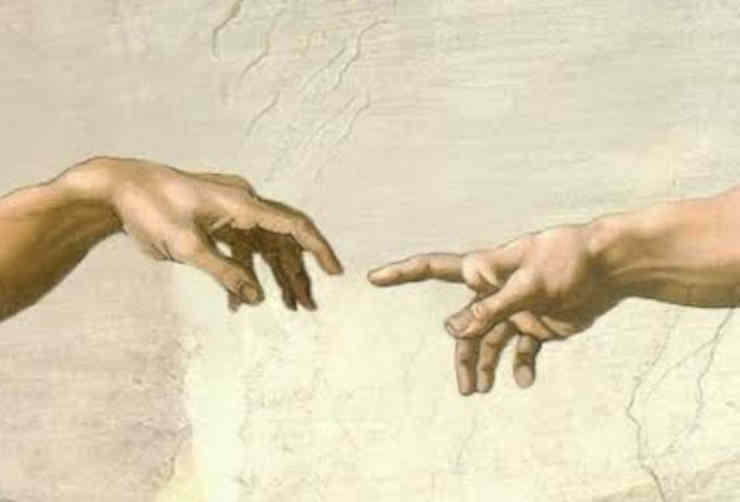
Biblical Diplomacy: "The Creation of Adam" by Michelangelo,

Biblical Diplomacy focuses on Reconnecting People & Communities to the Land, Language, and Legacy of the Bible.

Biblical Diplomacy’s  three foundational pillars are the:
Land (Geography and Context)
Language (Original “Voice”) and
Legacy (Enduring Impact)

of the Bible that empowers people to not only understand the text in its current and historical context but also to realize  its enduring and current impact on global civilization.
Click on the tabs on the left for a breakdown on how Biblical Diplomacy’s three elements interconnect to empower faith based alliances.
Learn More about Biblical Diplomacy:
>Red Alert: The Power of Biblical Diplomacy

>Helping Americans Rediscover Their Biblical Roots
> Biblical Diplomacy Brochure

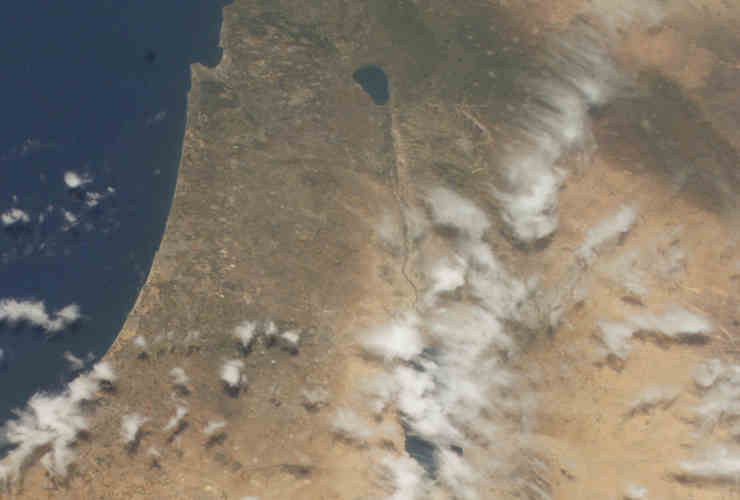
Biblical Diplomacy: The Land of the Bible

🌍 The Land of the Bible
(Geography and Context)
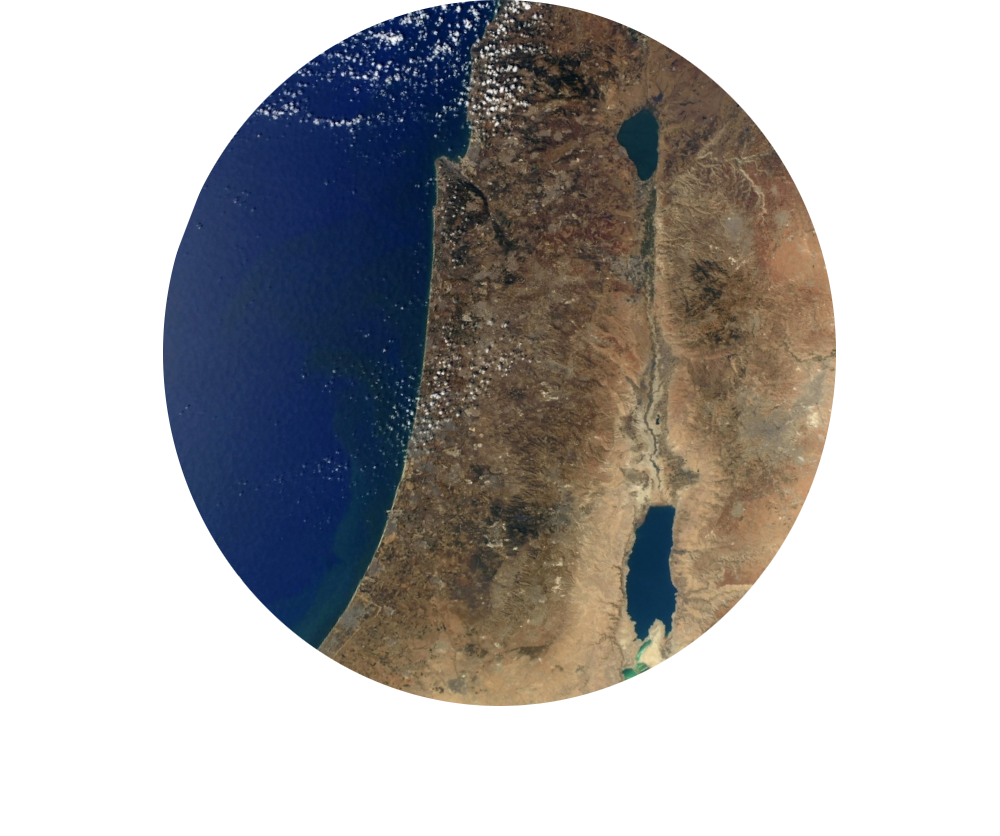
The Bible is deeply rooted in real-world geography, primarily centered in the Ancient Near East and the Levant (modern-day Middle-East (Including Israel, Jordan, Lebanon, and Syria).

• The Crossroads of Empires: The land of Canaan served as a land bridge connecting major ancient superpowers: Egypt, Mesopotamia (Assyria/Babylon), and later Greece and Rome. This strategic location meant that the Bible was constantly reacting to regional politics, invasions, and cultural exchanges.
• Topography and Climate: The physical landscape—deserts, mountains, fertile valleys, and the scarcity of water—profoundly shaped biblical imagery. Concepts like “living water,” “the wilderness,” and “a land flowing with milk and honey” are directly derived from the geography of the Land of the Bible.
Biblical Diplomacy: The Land of the Bible

🗣️The Language of the Bible

(The Original Voice)

The Basis of Good Communication is a common Language.

When we speak in biblical terms, using the language of the Bible, we remember who we are and where our story began.

Evyatar often says, “Terminology equals identity.” When we use biblical names—Cana, Salem, Bethlehem, and Zion—we speak the language of Scripture. We reclaim the worldview of the Bible.

Biblical diplomacy connects members of Faith Communities to the geographical vocabulary of their faith.

What better way for people to dshare their biblical heritage than to use the language of the Bible and the connections it has where one resides in our day and age.

This approach resonates deeply with members of Faith Communities who see the Bible as the foundation of their spiritual lives. It reminds us that the Land & Language of the Bible is not just history—it is current covenant, promise, and testimony.

The Bible is a library of ancient texts composed in many ancient languages over more than a millennium.
• Hebrew: The vast majority of the Old Testament (Hebrew Bible) was written in Biblical Hebrew. It is a concrete, poetic, and action-oriented language where words often carry multi-layered meanings (e.g., Shalom means peace, but also wholeness, safety, and prosperity).

• Aramaic: A sister language to Hebrew, Aramaic became the lingua franca of the region after the Babylonian exile. Portions of Daniel and Ezra are in Aramaic, and it was the everyday language spoken by the Good Shepherd and his disciples.

• Greek (Koine): Parts of the Apocrypha and  the New Testament were written in Koine Greek (“common Greek”). Following the conquests of Alexander the Great, Greek became the universal language of commerce and literature across the Mediterranean, allowing the message of the Bible to spread rapidly.

Biblical Diplomacy: The Language of the Bible

📜 The Legacy of the Bible
(Enduring Impact)

The legacy of the Bible extends far beyond faith & religion, acting as  foundational cornerstone for all aspects of Biblical Diplomacy including  history, law, culture, and ethics.
• Literature and Language: The Bible has heavily shaped the vocabulary, idioms, and metaphors of modern languages. Phrases like “scapegoat,” “good Samaritan,” and “writing on the wall” all stem from biblical texts. The Bible inspired monumental works by authors like Dante, Milton, Dostoyevsky, Solzhenitsyn and Shakespeare.
• Law and Ethics: Concepts of human rights, inherent human dignity (the concept of Imago Dei, צֶלֶם אֱלֹהִים (tzelem elohim), originating from Genesis 1:27 or being made in the image of God), and social justice for the marginalized (the poor, the widow, the orphan) have deep roots in biblical law and prophetic literature.
• Art and Architecture: The Bible is the primary source of inspiration for Western art, driving the creation of masterpieces by Michelangelo, Rembrandt, and Da Vinci, as well as the construction of houses of worship for all faiths.


Biblical Diplomacy: "The Creation of Adam" by Michelangelo
Biblical Diplomacy: “The Creation of Adam” by Michelangelo,

BIBLICAL DIPLOMACY

presentations